Σχόλια στο Ευαγγέλιο της Κυριακής Β’ Ματθαίου -Κλήση των πρώτων μαθητών
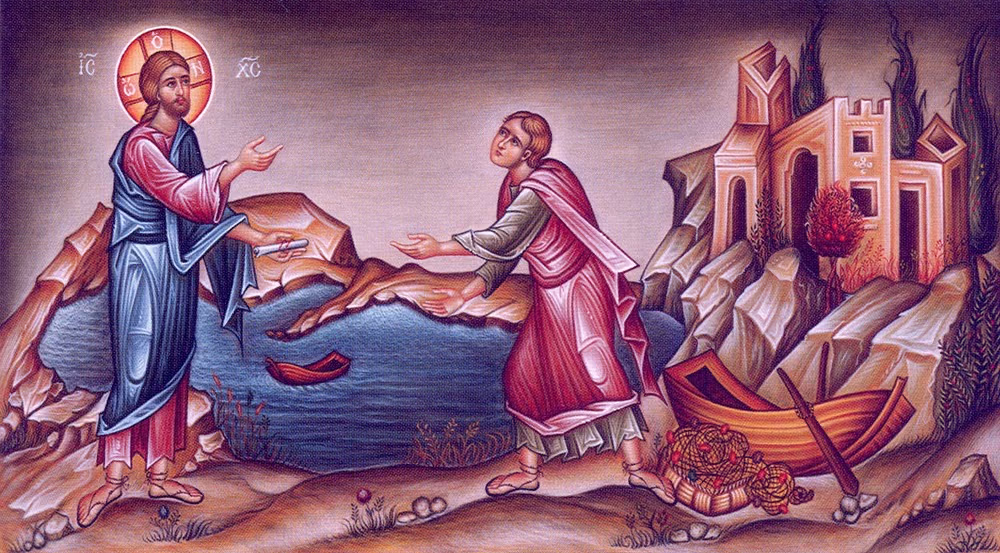
Σοφία Μπεκρῆ, φιλόλογος – θεολόγος
Τὰ προσόντα τῶν μαθητῶν
Γιὰ τὴν ἀκρίβεια, προτοῦ συλλέξει ὁ Κύριος τοὺς μαθητές Του, τοὺς ἐπιλέγει πρῶτα, ἀσφαλῶς ὄχι τυχαῖα. Οὔτε τὸν τόπο διδασκαλίας Του ἐπιλέγει τυχαῖα ὁ Κύριος. Ἐγκαθίσταται στὴν Καπερναούμ, «πέραν τοῦ Ἰορδάνου», στὴν «Γαλιλαία τῶν ἐθνῶν», ἐκεῖ ὅπου κυριαρχοῦσε τὸ σκοτάδι τῶν εἰδώλων, ὥστε, τώρα, μὲ τὸν ἐρχομὸ τοῦ Κυρίου, «ὁ λαὸς ὁ καθήμενος ἐν σκότει εἶδε φῶς μέγα.» (Ματθ., δ’ 13-16).
Ἀλλὰ καὶ ὁ χρόνος τῆς διδασκαλίας τοῦ Κυρίου δὲν ἐπιλέγεται τυχαῖα. Ὁ Κύριος «ἀνεχώρησεν εἰς τὴν Γαλιλαίαν» ἀμέσως μετὰ ἀπὸ τὴν σύλληψη τοῦ Ἰωάννου, ὁπότε τὸ κλίμα στὴν Ἰουδαία εἶναι ἐχθρικὸ γι’ αὐτόν, ἐνῷ ἡ ἀπομακρυσμένη Γαλιλαία ἀποτελεῖ πρόσφορο ἔδαφος γιὰ τὸν φωτισμὸ τοῦ «ἐν σκότει καὶ σκιᾷ θανάτου» λαοῦ ἀπὸ τὸν Ἥλιο τῆς Δικαιοσύνης.
Ἐξ ἄλλου, ἐκεῖ, στὴν Γαλιλαία τῶν ἐθνῶν, ὑπῆρχε καὶ ἡ πρώτη μαγιά: οἱ μαθητὲς τοῦ Προδρόμου. Αὐτοί, οἱ ἁλιεῖς ἰχθύων, εἶχαν λάβει τὰ πρῶτα μαθήματα μετανοίας κοντὰ στὸν μέγα τῆς μετανοίας διδάσκαλο, τὸν Ἰωάννη. Ἐκεῖνος, μὲ τὴν σειρά του, τοὺς ἀποκάλυψε ὅτι ὁ ὀπίσω του ἐρχόμενος, ὁ ὁποῖος βαπτίζει ἐν Πνεύματι Ἁγίῳ, εἶναι ὁ Υἱὸς τοῦ Θεοῦ καὶ δικός τους σωτήρας, «ὁ αἴρων τὴν ἁμαρτίαν τοῦ κόσμου» (Ἰωάν., α’ 29-34). Ὕστερα ἀπὸ αὐτὲς τὶς συστάσεις, δύο ἐκ τῶν μαθητῶν τοῦ Ἰωάννου, ὁ Ἀνδρέας καὶ ὁ Πέτρος, ἀρχικά, καὶ στὴν συνέχεια, ἄλλοι δύο, ὁ Φίλιππος καὶ ὁ Ἰωάννης, ἀκολούθησαν τὸν Κύριο. Αὐτὴ ἦταν, κατὰ τὸν Ἰ. Χρυσόστομο, ἡ πρώτη κλήση, ἐνῷ, τώρα, μετὰ ἀπὸ τὴν πρώτη μαθητεία κοντὰ στὸν Κύριο καὶ τὸν θάνατο τοῦ πρώτου δασκάλου των, τοῦ Προδρόμου, τὸν ἀκολουθοῦν ὁριστικά.
Τί εἶναι αὐτὸ ποὺ ὠθεῖ τοὺς πρώην μαθητὲς τοῦ Ἰωάννου νὰ ἀκολουθήσουν τὸν νέο των διδάσκαλο; Τὸ πρῶτο καὶ βασικό, ὅπως εἴπαμε, εἶναι οἱ συστάσεις ποὺ ἔχουν ἀπὸ τὸν Ἰωάννη καὶ ἡ προπαιδεία των κοντά του. Ἄλλωστε ὁ Ἰωάννης, ποὺ τοὺς συνέστησε σὲ Αὐτόν, ἀποτελοῦσε «ἐγγύηση» καὶ ἔχαιρε γενικῆς ἐκτιμήσεως ἀπὸ τὸν λαὸ καὶ ἀπὸ τοὺς ἄρχοντες τῶν Ἰουδαίων καὶ μάλιστα ἀπὸ αὐτὸν τὸν Ἡρώδη ποὺ τὸν ἀποκεφάλισε. Ἦταν, βλέπεις, εὔκολο καὶ εὐχάριστο νὰ τὸν ἀκούῃ, ἀλλὰ δύσκολο νὰ ἀκολουθήσῃ τὶς προτροπές του καὶ νὰ μετανοήσῃ. Γιὰ τοὺς μαθητὲς τοῦ Ἰωάννου, ὅμως, δὲν ἦταν δύσκολο νὰ ἀκολουθήσουν τὸν Κύριο, διότι, κοντὰ στὸν Ἰωάννη, εἶχαν ἐκπαιδευθῆ στὴν ταπείνωση καὶ στὴν μετάνοια.
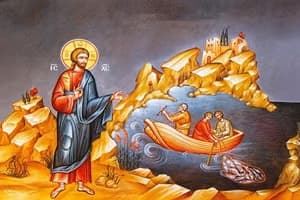
Τὸ δεύτερο προσὸν τῶν μαθητῶν τοῦ Κυρίου εἶναι ἡ προθυμία των. Ἀναφέρεται στὸ εὐαγγελικὸ ἀνάγνωσμα τῆς Β’ Κυριακῆς Ματθαίου γιὰ τὴν κλήση τῶν μαθητῶν ὅτι τόσο ὁ Πέτρος καὶ ὁ Ἀνδρέας, ὅσο καὶ ὁ Ἰάκωβος καὶ ὁ Ἰωάννης, ἀνταποκρίθηκαν «εὐθέως» στὸ κάλεσμα τοῦ Κυρίου καὶ Τὸν ἀκολούθησαν, οἱ μὲν «ἀφέντες εὐθέως τὰ δίκτυα», οἱ δὲ «ἀφέντες εὐθέως τὸ πλοῖον καὶ τὸν πατέρα αὐτῶν» (Ματθ., δ’ 20, 22).
Τὸ γεγονὸς ὅτι οἱ συγκεκριμένοι μαθητὲς εἶναι ἀμόρφωτοι ἁλιεῖς εἶναι ἕνα ἐπιπλέον προσόν. Μά, εἶναι ἡ ἀμορφωσιὰ προσόν; Θὰ ἀναρωτηθῇ εὔλογα κάποιος. Ναί, εἶναι, καὶ μάλιστα μεγάλο. Ἐὰν οἱ μαθητὲς τοῦ Κυρίου διέθεταν μόρφωση, μὲ τὴν ἔννοια τῆς ἀνθρώπινης σοφίας, μπορεῖ νὰ τὸν ἀκολουθοῦσαν ἀρχικά, μὲ ἐνθουσιασμὸ γιὰ τὴν καινή του διδασκαλία, ἀλλά, στὴν συνέχεια, μόλις θὰ διαπίστωναν ὅτι ἡ μαθητεία κοντά Του δὲν τοὺς ἀπέφερε τὰ μεγαλεῖα ποὺ προσδοκοῦσαν –πλούτη, δόξα, ἡδονές-, θὰ τὸν ἐγκατέλειπαν.
Οἱ μαθητές Του, ὅμως, ὁ βασικὸς τοὐλάχιστον κορμὸς τῶν δώδεκα, δὲν τὸν ἐγκατέλειψαν, διότι, παρὰ τὶς ἀνθρώπινες ἀμφιβολίες, ἀκόμη καὶ ἀπογοητεύσεις, καὶ πρὶν ἀκόμη ἀπὸ τὸν ὁλοκληρωτικό των φωτισμὸ διὰ τοῦ Ἁγίου Πνεύματος, διέγνωσαν, μὲ τὴν ἁπλοϊκή των σοφία, ὅτι ὁ Κύριος διέθετε «ῥήματα ζωῆς αἰωνίου» (Ἰωάν., στ’ 68-69). Ἄρα, ἡ ἀμορφωσιά των ἦταν ἐφόδιο τελικὰ ὄχι μόνο γιὰ τὴν δική των σωτηρία ἀλλὰ καὶ γιὰ τὴν σωτηρία τῶν συνανθρώπων των, μὲ τὴν δική των, στὴν συνέχεια ἀποστολή.
Ἀλλὰ καὶ ἕνα ἀκόμη ἐφόδιο διέθεταν οἱ ἀμόρφωτοι αὐτοὶ ἁλιεῖς, πέρα ἀπὸ τὴν ἁλιευτικὴ ἀσφαλῶς ἱκανότητά των: ὅτι γνώριζαν νὰ ζοῦν κοινοτικὰ καὶ νὰ μοιράζωνται τὰ ὀφέλη τῆς μετοχικῆς – συνεργατικῆς ἐπιχειρήσεώς των. Ὅπως ἀναφέρει ὁ Λουκᾶς στὸ δικό του Εὐαγγέλιο, ὅταν, κατὰ προτροπὴ τοῦ Κυρίου, ὕστερα ἀπὸ μιὰ ἄκαρπη νύχτα, ὁ Σίμων ἔρριξε καὶ πάλι τὰ δίκτυα του καὶ ἔπιασε πλῆθος ἰχθύων, δὲν τὸ ἐκμεταλλεύτηκε μόνος, ἀλλὰ «κατένευσε τοῖς μετόχοις τοῖς ἐν τῷ ἑτέρῳ πλοίῳ» (Λουκ., ε’ 7) νὰ ἔλθουν νὰ τὰ μοιραστοῦν!
Συνεπῶς, οἱ μελλοντικοὶ συνεργάτες τοῦ Κυρίου στὸ ἱεραποστολικό Του ἔργο ἤξεραν τὰ ὀφέλη τῆς συνεργασίας καὶ δὲν δίστασαν νὰ ἀνταποκριθοῦν μὲ προθυμία στὸ κάλεσμά Του γιὰ τὸν καταρτισμό των στὴν ἁλιεία λογικῶν ἰχθύων. Πρῶτα ἄκουσαν τὸν λόγο τοῦ Κυρίου καὶ στὴν συνέχεια ἔγιναν ποιητές του καὶ ἐξαπέστειλαν τὸ μήνυμά Του στὰ πέρατα τῆς γῆς.
Τὸ ἴδιο ὀφείλουμε νὰ κάνουμε καὶ ἐμεῖς: νὰ γίνουμε ποιητὲς τοῦ λόγου τοῦ Θεοῦ καὶ ὄχι μόνον ἀκροατές, διότι «οἱ ποιηταὶ τοῦ νόμου Του δικαιωθήσονται», ὅπως ἀκοῦμε στὸ ἀποστολικὸ ἀνάγνωσμα τῆς Β’ Κυριακῆς Ματθαίου (Ῥωμ., β’ 13). Πρακτικά, αὐτὸ σημαίνει ὅτι χρειάζεται νὰ κάνουμε ὅ τι καὶ οἱ πρῶτοι μαθητὲς τοῦ Κυρίου. Κατ’ ἀρχάς, νὰ ἀποδεσμευτοῦμε ἀπὸ τὰ δικά μας «δίκτυα», ἀπὸ τὰ δικά μας πάθη, ποὺ μᾶς κρατοῦν δεσμίους στὸν κόσμο τῆς ἁμαρτίας· δεύτερον, νὰ δεχθοῦμε καὶ μεῖς, ὅπως καὶ οἱ μαθητές Του, νὰ καταρτισθοῦμε μὲ προθυμία στὴν ὀρθὴ διδασκαλία τοῦ Κυρίου, ὥστε, τρίτον, καὶ κυριώτερο, νὰ γίνουμε ποιητὲς τοῦ λόγου Του καὶ συνεργοὶ στὸ θεάρεστο ἔργο γιὰ τὸν καταρτισμὸ καὶ ἄλλων ἀδελφῶν μας στὴν ἐν Χριστῷ διδασκαλία. Τὸ βασικό, πάντως, εἶναι νὰ θελήσουμε νὰ ἀνταποκριθοῦμε στὸ διαχρονικὸ κάλεσμα τοῦ Κυρίου πρὸς ὅλους ἐμᾶς: «δεῦτε ὀπίσω μου καὶ ποιήσω ὑμᾶς ἁλιεῖς ἀνθρώπων.» (Ματθ., δ’ 20).
Ἡ ἀνταπόκρισή μας συνιστᾶ πράξη εὐθύνης, διότι τὸ κάλεσμα ἀκολουθεῖται ἀπὸ ἔργο καὶ τὸ ἔργο ἀπαιτεῖ πίστη καὶ συνέπεια, σὰν καὶ ἐκείνη ποὺ ἐπέδειξαν πρὸς τιμή των καὶ οἱ πρῶτοι μαθητὲς τοῦ Κυρίου. Δὲν ἀνταποκρίθηκαν, δηλαδή, μόνον εὐθέως στὴν κλήση Του ἀλλὰ καὶ παρέμειναν, στὰ τριάμισυ χρόνια τῆς συνεργασίας των μαζί Του, πρόθυμοι καὶ πιστοί, παρὰ τὶς κατ’ ἄνθρωπον, ὅπως εἴπαμε, ταλαντεύσεις των. Κέρδισαν, ὅμως, στὸ τέλος τὴν χαρὰ τοῦ μαρτυρίου.
Αὐτὴν τὴν χαρὰ καὶ συγχρόνως τὴν τιμὴ τῆς ζωντανῆς Του μαρτυρίας ἂς ποθήσουμε καὶ ἐμεῖς, γινόμενοι μιμητὲς τοῦ Κυρίου καὶ τῶν Ἀποστόλων μαθητῶν Του (Α’ Κορ., ια’ 1), πρὸς δόξα Θεοῦ καὶ γιὰ τὴν δική μας σωτηρία. Γένοιτο!