Poland has officially recognised the Greeks as a national minority
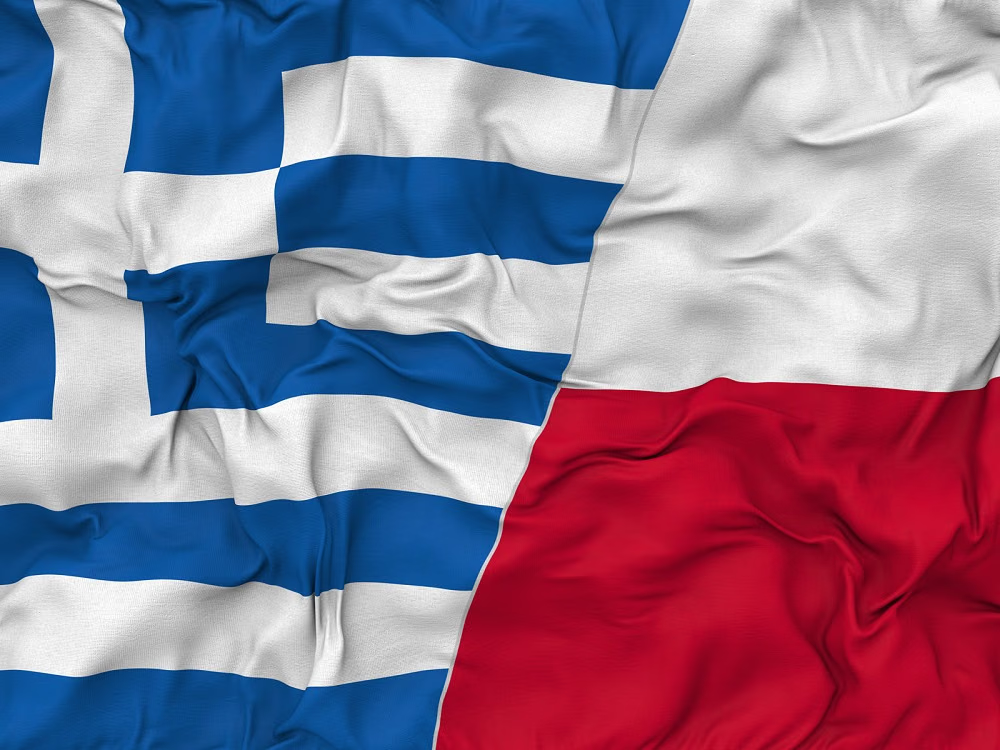
On 11 June 2026, the President of Poland, Karol Nawrocki, signed the legislative amendment by which the Greek community is officially recognised as a national minority in the country. The Embassy of Greece in Warsaw described the development as a "historic moment," both for the community and for Greek-Polish relations — and it would be hard for anyone to disagree.
Poland has officially recognised the Greeks as a national minority — and they become the tenth
With the amendment of the law on national and ethnic minorities and regional language, the Greeks are now officially included in the list of recognised national minorities of the country — and indeed as the tenth in order. This means that they acquire an institutional framework of protection and support that until now did not exist.
Greek associations and bodies will now have access to state funding programmes through the Ministry of the Interior and Administration. At the same time, support is provided for libraries, museums, cultural centres, festivals and media related to the Greek presence in the country.
The Greek language in schools and the right to political representation
Among the most substantial things that change is education. The Polish public education system will be able to organise programmes teaching the Greek language, history and culture for pupils of Greek descent. In addition, members of the community will have the possibility of using the Greek script in their personal details on official documents, where this is permitted by the legislation.
The political dimension of the recognition is also significant. The electoral committees representing the Greek community are exempted from the 5% electoral threshold in the elections for the Polish Parliament (Sejm) — a right that until now applied only to the already recognised minorities. The legislative amendment is expected to enter into force six months after its publication in the Government Gazette.
Seven centuries of Greek presence in Poland
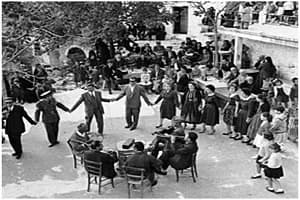
Although in the collective memory the Greek presence in Poland is associated mainly with the political refugees of the Civil War, the real history is much older. Its roots go back more than seven centuries, with Greek communities attested as early as the 15th and 16th centuries in cities such as Lviv, Krakow, Poznań and Toruń. Merchants from Macedonia, Epirus, Crete and Chios settled there permanently, leaving their traces on the culture and commerce of the time.
The most recent chapter was written after the end of the Greek Civil War: from 1949 to 1951, about 12,300 people from Greece took refuge in Poland, of whom a quarter were children. They settled in cities such as Zgorzelec, Warsaw and Wrocław, and there they built communities that survived and flourished over the decades.
The decision creates the conditions for even closer cooperation between the two countries and opens a new chapter for the Hellenism of Poland.Embassy of Greece in Warsaw
This recognition is not merely a bureaucratic change. It is the official confirmation of a presence that lasted centuries, passed through wars and exiles, and managed to remain alive.